
The Evolution of Surfski Kayaks
[original post: https://globalsurfski.wordpress.com/2010/10/23/the-evolution-of-surfski-kayaks/]
This post from Global Surfski, titled "The Evolution of Surfski Kayaks," explores the history and design shifts of surfskis, specifically comparing the "old school" Hawaiian designs to modern high-performance models.
Here is a summary of the key points:
1. The "Golden Era" of Design (80s & 90s)
-
Design philosophy: Older skis (like the C-Ski, Chalupski, and Roseski) were shorter, wider, and heavier than today’s models. They featured significant rocker (the curve of the hull) and high volume in the bow.
-
Purpose: They were built specifically for "bump riding" (surfing open-ocean swells) in Hawaii. While they weren't the fastest on flat water, they were considered more fun and maneuverable in big waves.
-
The Record: Despite being "ancient" designs, Dean Gardiner set the all-time record for the Molokai crossing in 1997 (3h 21m 26s) on one of these older-style boats—a record that stood for many years.
2. Transition to Modern Skis
-
The Shift: As the sport became more international, designs moved toward the 6.5m (22 ft) class. These modern boats are longer, narrower, and much lighter (often carbon fiber).
-
Speed vs. Stability: Legends like Oscar Chalupsky and Dean Gardiner admit that modern skis are technically faster, especially in varied conditions. However, they are also much "tippier" and harder for beginners to handle.
-
International Influence: Manufacturers in South Africa and Australia began producing skis that were more "efficient" (less drag), which eventually forced Hawaiian paddlers to switch to these narrower models to remain competitive.
3. Key Pioneers & Legends
-
Kala Kukea: The post pays tribute to Hawaiian paddler Kala Kukea, a legendary figure in the sport who died young but left a massive impact on the community.
-
The Chalupsky Brothers: Oscar and Herman Chalupsky are highlighted for their dominance in the Molokai races using early "low volume" designs and long, flat-blade paddles (before the modern "wing" paddle became standard).
4. Advice for Modern Paddlers
-
Choose for Skill, Not Pro Status: The author compares surfskis to surfboards—pros use high-performance "needles" because they have the skill. For everyone else, starting on a stable boat (like the Epic V8 mentioned in the blog) is much better for learning and enjoyment.
-
The "Fun" Factor: The post suggests that while modern boats are technical marvels, the older Hawaiian designs might have been "more fun" to actually surf because they were built for the wave rather than just the clock.
In short: The evolution has been a journey from heavy, rockered "wave-surfing" machines to ultra-light, long, and narrow "speed" machines, though the human element and the love for the ocean remain the same.
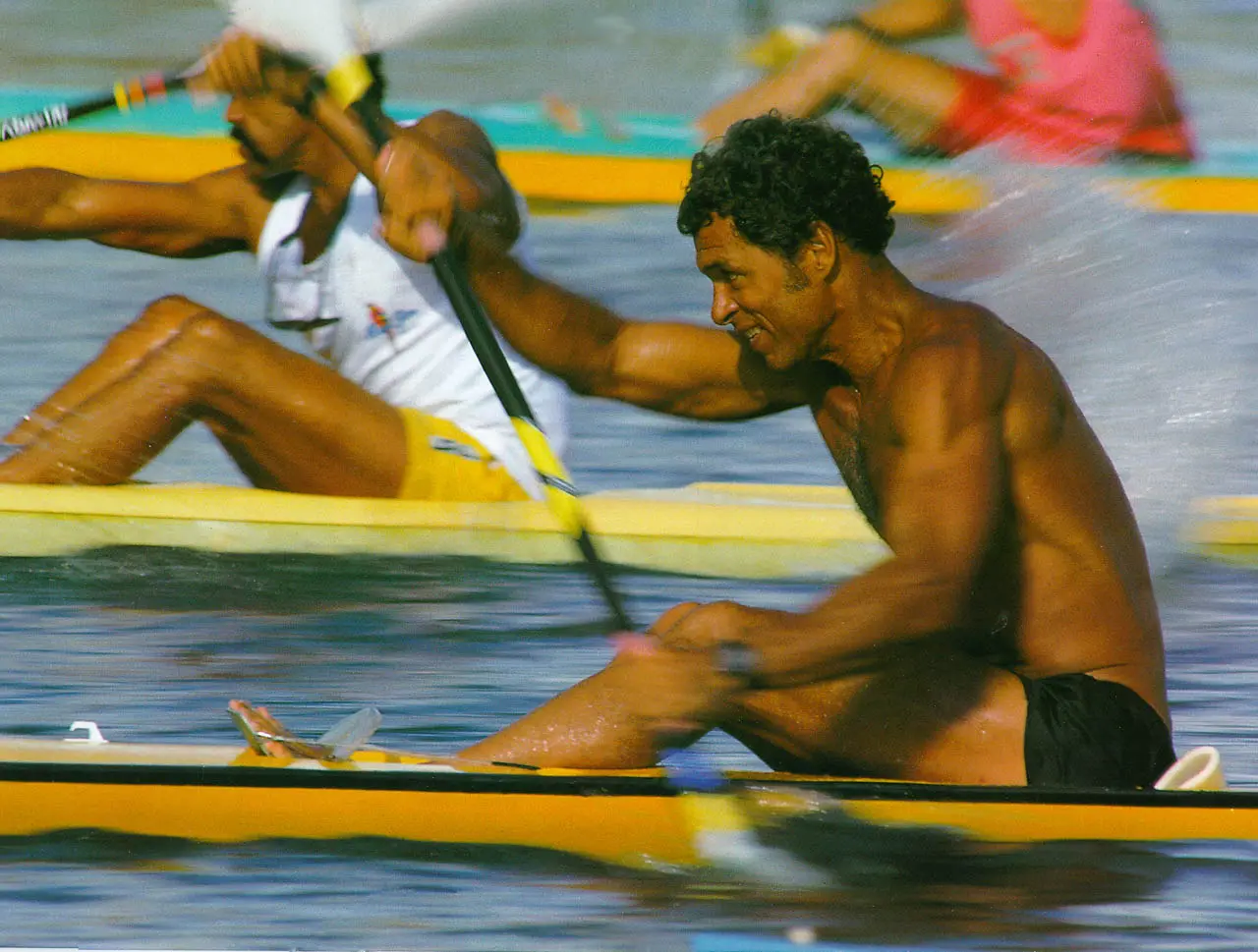
No photos available
Other Contents
2026-02-20
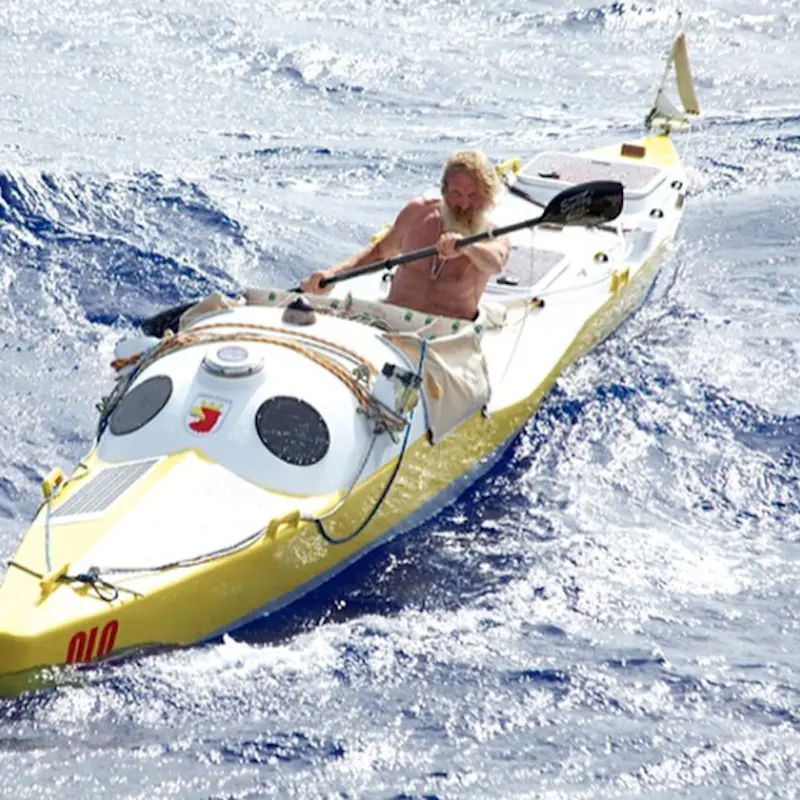
Aleksander "Olek" Doba
Aleksander "Olek" Doba (1946–2021) was a legendary Polish adventurer who became the first person to kayak across the Atlantic Ocean solo and unaided by sails, relying entirely on muscle power. He completed this feat three times, all after the age of 60. >>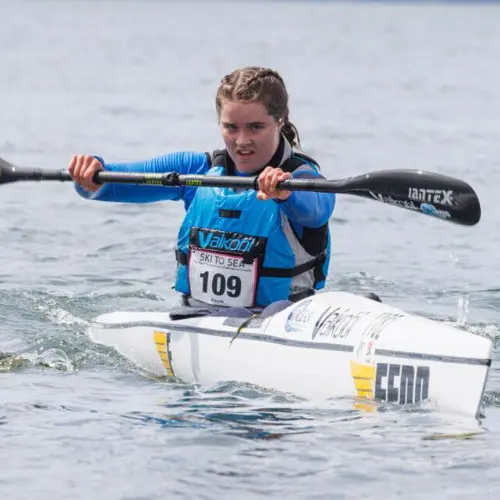
2026-02-20
Ana Swetish
Ana Swetish is the breakout star of American surfski racing and is widely considered one of the best technical downwind paddlers in the world today. Based in Bellingham, Washington. >>
2026-02-13